-
Step 1: Define the Scope (and The Right Calculators)
-
Step 2: Separate the "Must-Haves" from the "Want-to-Haves"
-
Step 3: Calculate Total Cost of Ownership (The Real Price)
-
Step 4: Watch for The Hidden Costs in Disguise
-
Step 5: Build a Simple Vendor Scorecard
-
Common Mistakes to Avoid (What I Learned the Hard Way)
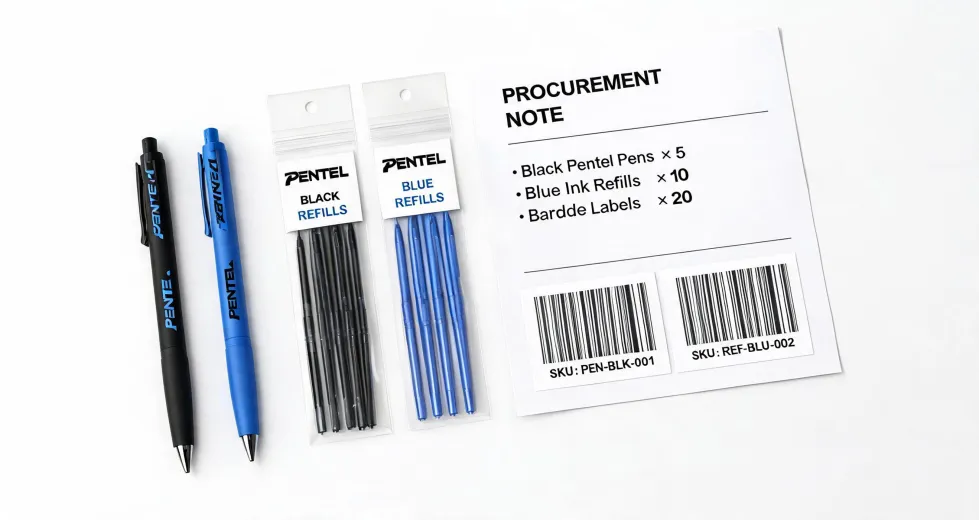
Look, if you're here because your office needs pens, markers, and art supplies, you're probably not thinking about total cost of ownership. You're thinking, "We need some Pentels." I get it. But after six years of tracking every single invoice in our procurement system, I've learned the hard way that the cheapest quote isn't the cheapest order. This checklist is for anyone who buys office or school supplies with a budget to protect. It's broken down into five steps. Follow them, and you'll avoid the hidden fees that eat your budget.
Step 1: Define the Scope (and The Right Calculators)
Before you even look at a catalog, you need to know what you're buying. "A bunch of pens" isn't a spec. For our quarterly orders, I need to know exactly how many of which SKU. This sounds dumb, but the most common budget overrun I see comes from vague requisitions.
This is also where you can use online tools. A Saturn return calculator or a percent off calculator might seem unrelated, but they're actually useful for budgeting. Use a percent off calculator to quickly compare bulk discount offers from different vendors. And for smaller purchases, it helps to calculate the true per-unit cost after shipping and handling. To keep it simple, I built a cost calculator after getting burned on hidden fees twice.
Step 2: Separate the "Must-Haves" from the "Want-to-Haves"
Not all writing instruments are created equal. When I audit our 2023 spending, I found that we wasted about 15% of our budget on procuring specific colors and styles that nobody actually used. Now, we have a clear policy. Here’s a quick breakdown based on our actual usage data:
- The Workhorse: The Pentel Energel series. We buy these by the box for general office use. The liquid gel ink is reliable. We buy the standard black and blue. No exceptions for neon colors in the office pool.
- The Specialist: The Pentel GraphGear drafting pencils. These are for our design and engineering teams. They cost more, but they have metal grips and are practically indestructible. We have a separate budget line for these because they are a professional tool, not a giveaway pen.
- The Creative: The
- Pentel Arts Aquash Water Brush and the Pentel Stylo Fountain Pen. These are for our marketing team for sketching and hand-lettering. The Aquash water brush is great because it has a refillable barrel, so we don't buy disposable water cups. The Stylo Fountain Pen is for specific illustration work.
Step 3: Calculate Total Cost of Ownership (The Real Price)
People assume the lowest quote means the vendor is more efficient. What they don't see is which costs are being hidden or deferred. This is where the transparency principle kicks in. I've learned to ask "what's NOT included" before "what's the price."
Here’s a real example: In Q2 2024, when we switched vendors, we compared costs across four vendors. Vendor A quoted $890 for the order. Vendor B quoted $820. I almost went with B until I calculated the actual TCO. Vendor B charged $35 for oil-based ink cartridges that were supposed to be included. They charged a $60 "handling fee" for the 12 boxes of individual products. Total: $915. Vendor A's $890 included free shipping and no handling fees. That's a 3% difference hidden in fine print. Not huge, but it adds up to $450 over a year of quarterly orders.
Step 4: Watch for The Hidden Costs in Disguise
From the outside, it looks like vendors just need to pack a box. The reality is not all orders are created equal. Specifically, watch out for:
- Shipping & Handling Fees: A quote might look cheap until you see the shipping line. Standard ground shipping for a case of pens should not cost $50.
- Setup or Handling Fees for Individual SKUs: Some vendors charge a "pick and pack" fee for every different type of product you order. If you buy 10 different types of pens, that's 10 fees. Ask about this directly.
- Subscription & Free Shipping Minimums: Some vendors push a subscription to get free shipping. The shipping costs $10, but the subscription adds a $15 monthly fee. You see the free shipping, but you're paying the subscription. Seriously, check the math.
Never expected the premium vendor to end up cheaper than the budget one. Turns out their per-unit price was slightly higher, but their free shipping threshold was lower, and they didn't charge a handling fee for orders under 10 SKUs.
Step 5: Build a Simple Vendor Scorecard
Stop buying from a new vendor every time. It makes your life harder and your budget uncontrolled. We now use a simple scorecard based on three criteria: On-time delivery rate, invoice accuracy, and price transparency (i.e., no surprise fees).
Our procurement policy now requires quotes from 3 vendors minimum because of this. We compare them, but we only order from those who score above 90% on the scorecard. It's not about the lowest unit price; it's about the most consistent total cost.
Common Mistakes to Avoid (What I Learned the Hard Way)
Here’s the thing: most of those hidden fees are avoidable if you ask the right questions upfront. Here are the three mistakes I see people make all the time:
- Ignoring the refill cost: Buying a nice mechanical pencil like the Pentel Twist-Erase is cheap. But if your team loses the refill, they'll toss the pencil and grab a new one. Are you budgeting for refills? Or are you budgeting for new pencils? We found that buying refills and making a point to hand them out saved us about 40% vs. buying new pencils.
- Forgetting about the "free" stuff: That "free setup" offer we got on a marker order actually cost us $450 more in hidden fees because the "free" setup only applied to standard colors, and we needed custom ones. Always ask what the upcharge is for non-standard specs.
- Not checking the delivery date: The 'cheap' option resulted in a $1,200 redo when quality failed. But even worse than that is a vendor who delivers late. A late delivery means your team runs out of pens and buys emergency stock at a premium from the local store. Budget overrun.
After tracking 160+ orders over six years in our procurement system, I found that 62% of our 'budget overruns' came from freight and handling fees, not from the products themselves. We implemented a 'free shipping threshold' policy and cut overruns by 23% in the following year.
So, that's the checklist. It's not about being cheap. It's about being accurate. The vendor who lists all fees upfront—even if the total looks higher—usually costs less in the end. The best part of finally getting our vendor process systematized: no more 3am worry sessions about whether the order will arrive under budget. Buy the tools, know the total price, and keep the receipts.