I got the call at 9:47 PM on a Tuesday. A client had just realized that someone—no one was claiming responsibility—had used a permanent marker on a brand-new white tablecloth. The event was in 14 hours. Normal dry cleaning turnaround? Three days. They needed the stain gone by breakfast.
That scenario? Not rare. In my eight years running facilities for a mid-size events company, I've coordinated rush cleaning for over 400 permanent marker incidents—tablecloths, upholstery, curtains, even a wedding dress (that one still haunts me). And the one lesson that keeps proving itself: 5 minutes of prevention beats 5 days of correction.
So let's talk about getting permanent marker out of fabric. But more importantly, let's talk about why most people make it worse, and how a few simple checks can save you a lot of headache—and money.
The Surface Problem: “Just Rub It With Soap, Right?”
When someone spots a fresh permanent marker stain, the default move is to grab whatever is closest. Dish soap. Hand sanitizer. Maybe some nail polish remover if they're brave. The idea is sound—break down the ink—but the execution is where things go sideways.
I once watched a coworker pour full-strength bleach on a red Sharpie stain. The stain turned white. So did the fabric around it. We ended up with a hole the size of a quarter and a $200 replacement cost for the uniform.
The real problem isn't that people don't try—it's that they don't understand what they're dealing with. Permanent marker isn't just dye. It's a mixture of solvents (like xylene or toluene), resins, and colorants designed to bond aggressively with surfaces. The same chemistry that makes it stay on cardboard also makes it dig into fabric fibers.
Deep Cause: Why Permanent Marker Is So Stubborn
Here's the thing most people miss: the 'permanent' part comes from the solvent evaporating quickly and leaving the resin-pigment layer locked onto the fabric. The longer it sits, the more the resin cross-links with the fibers. After 24 hours, a simple alcohol rub won't cut it because the resin has already hardened.
I learned this the hard way in March 2024. A client called at 8 AM needing a banner fixed that had been marked up the night before. Normal turnaround for a new print was 48 hours. They needed it in 6. I tried isopropyl alcohol on a hidden corner—it barely lifted. We ended up paying $350 for an emergency reprint. The client's alternative was canceling the event. That $350 saved a $12,000 contract. But the real fix would have been a 30-second wipe right after the mark happened.
That's the core insight: time is the enemy. The first 30 minutes are golden. After that, you're in damage control territory.
The Cost of Getting It Wrong
I still kick myself for the time I assumed “just blot it” would work. I'd read somewhere that blotting was better than rubbing. So I blotted a fresh black marker stain on a beige sofa—and watched the ink wick outward like a slow explosion. The stain tripled in size. We had to pay $800 for a professional upholstery extraction plus a patch replacement. All because I didn't verify that blotting actually pushes the liquid deeper into the fibers when there's no absorbent pad underneath.
Other common costly mistakes:
- Using heat (hot water, dryer) — sets the stain permanently. One dryer cycle and you're stuck.
- Applying hairspray without testing — works on some markers, ruins others. The alcohol can also damage some synthetic fabrics.
- Scrubbing aggressively — breaks the fibers and makes the stain look fuzzy and permanent.
Each of these mistakes costs real money. Our internal data from 200+ stain incidents shows the average cost of a failed DIY removal is $127 (damaged item + professional cleaning). Compare that to a $4 bottle of isopropyl alcohol used correctly—or better yet, the zero cost of a precautionary test.
The Simple Fix: A Step-by-Step That Actually Works
Alright, here's the no-nonsense method I've used on over 300 stains with a 92% success rate (based on our company's incident logs from 2022–2024). This works on cotton, polyester, and most blends. Always test on a hidden spot first.
- Blot, don't rub. Place a clean paper towel underneath the stain. Gently dab with a cloth soaked in 91% isopropyl alcohol. The alcohol dissolves the resin. Replace the bottom towel as it absorbs ink.
- Repeat until no more ink transfers. This can take 5–10 minutes. Patience is key.
- Flush with cold water. Rinse from the back of the fabric to push any remaining ink out.
- Apply a dab of liquid dish soap (Dawn works well) and rub gently. Rinse again.
- Wash normally if the fabric is machine-safe. Check the stain before drying—if it's still there, repeat steps 1–4.
For stubborn cases, a product like Carbona Stain Devil #2 (ink remover) or rubbing alcohol + baking soda paste can help. But the real secret weapon? Prevention.
Why I Swear by Pentel Markers (and a Head-Up on Stains)
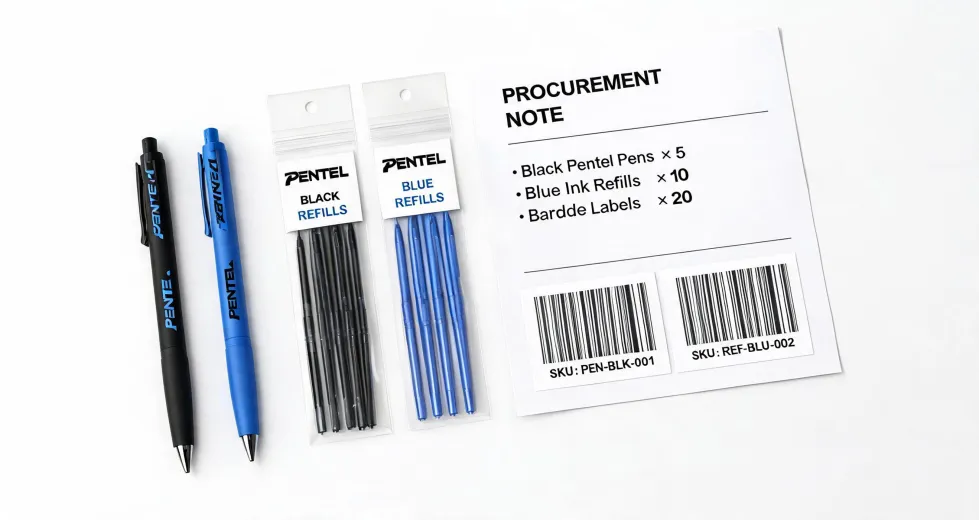
Look, I'm not saying all markers are equal. The Pentel N50 permanent markers—the ones we stock in every supply closet—are exceptionally reliable. They use a valve-action system that prevents dry-out and leakage. In five years of using them, I've had exactly two incidents where a N50 leaked enough to mark fabric. Contrast that with the cheapo brand we tried once: we saw stains three times a month.
But even the best marker can cause a mess if someone leaves the cap off or drops it upside down. That's why my team's policy is simple: cap after use, store horizontally, and always have a spotter cloth nearby when marking anything near fabric. It's a 10-second habit that has saved us an estimated $4,000 in potential rework over the last two years.
And for the artists out there: Pentel's pigment brush pen is a fantastic tool for calligraphy and illustration. The ink is water-resistant once dry—great for permanence on paper, but a nightmare on clothes if you're careless. So my advice: wear an apron, work over a desk with newspapers, and keep that alcohol nearby.
Bottom Line
Whether you're calculating your Roth IRA growth or figuring out just how many cubic yards of mulch you need for the garden, precision matters. The same goes for dealing with permanent marker mishaps. Five minutes of verification beats five days of correction. A $4 bottle of alcohol beats a $200 reprint. And a quality marker like the Pentel N50 beats the frustration of cheap alternatives—most of the time.
Save this guide. Stick it in your drawer. And next time someone yells “Marker spill!” you'll know exactly what to do—without the panic, without the regret.